Models
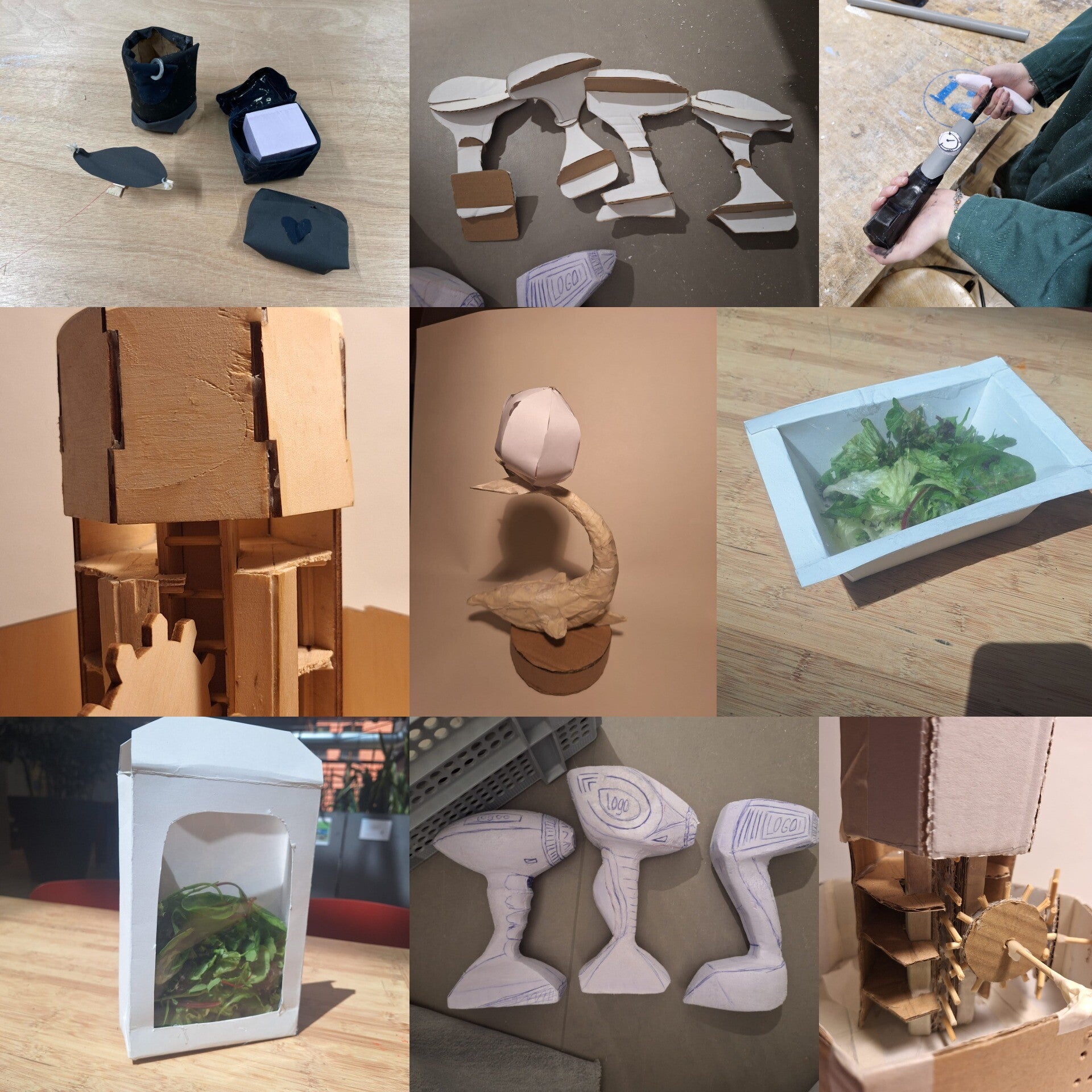
Why models?
I use physical models for several purposes throughout the design process. They help me explain how a product works by showing mechanisms in a clear and tangible way. Models also make it easier to visualize what a product will look like in reality, including its proportions, scale, and overall form. By creating something tangible, people can better understand size relationships and spatial layout. For ergonomic products, models allow me to test how the product feels in hand, evaluate comfort, and assess usability. Overall, models make ideas more concrete, improve communication, and support better design decisions.

Materials
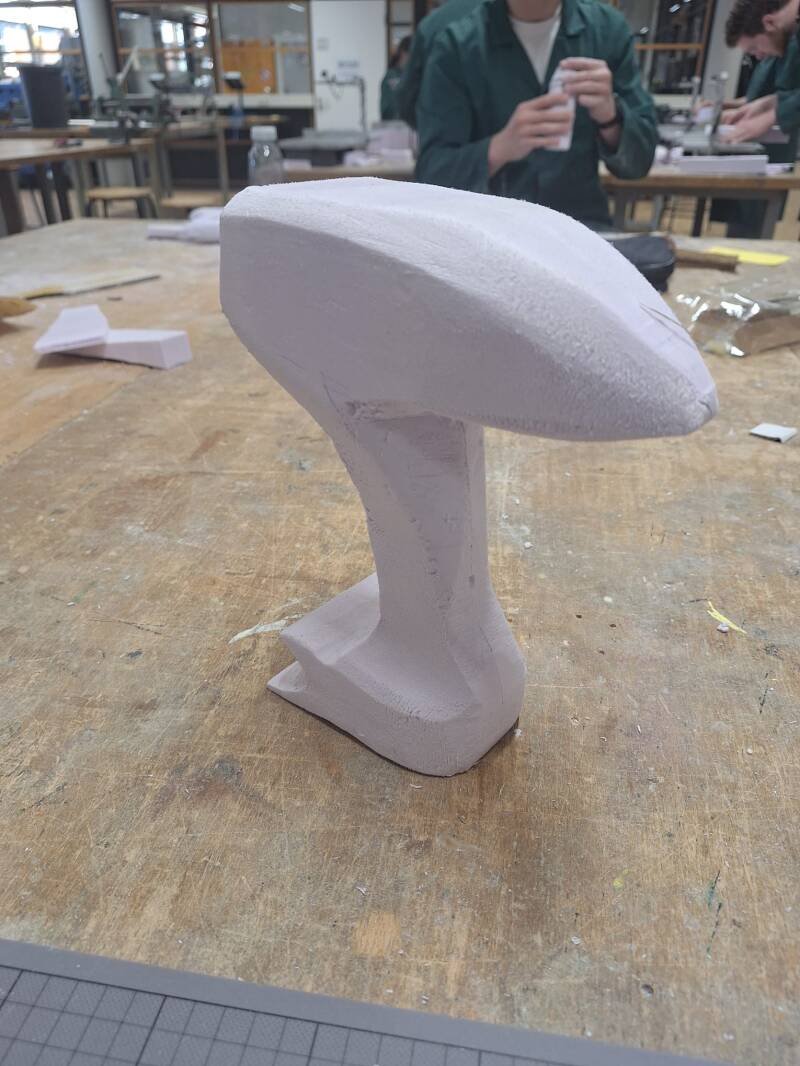
I create models using a variety of materials, depending on the goal of the model. For quick proportion studies or simple mechanisms, I can rapidly build models from cardboard. This allows me to test ideas early and iterate quickly. For more rounded shapes, I work with foam, choosing different types depending on the level of precision required. For highly specific functions or accurate details, I use 3D printing. Additionally, I can build models using materials such as wood with screws, or combine multiple materials to achieve the desired result.
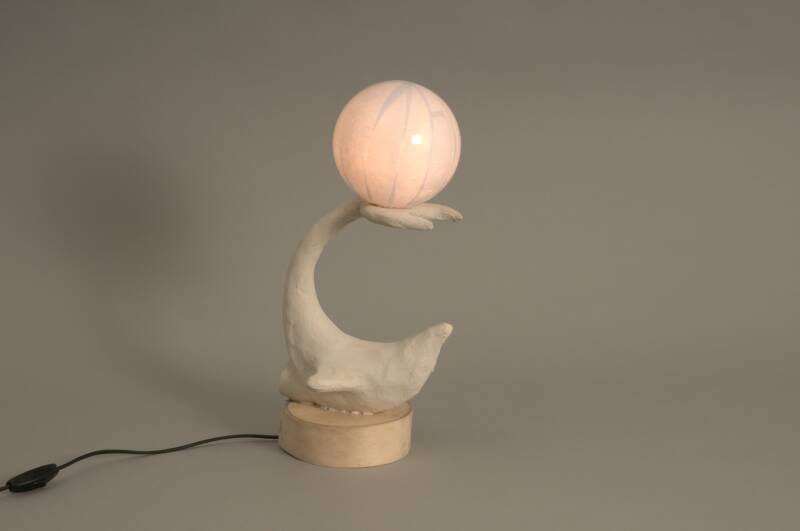

Visualizing the final appearance
A model can be used to show what the product will look like in its final form. In this type of model, I aim to match the materials, colors, and finishes as closely as possible to the intended product. This helps communicate the visual quality and appearance before production.
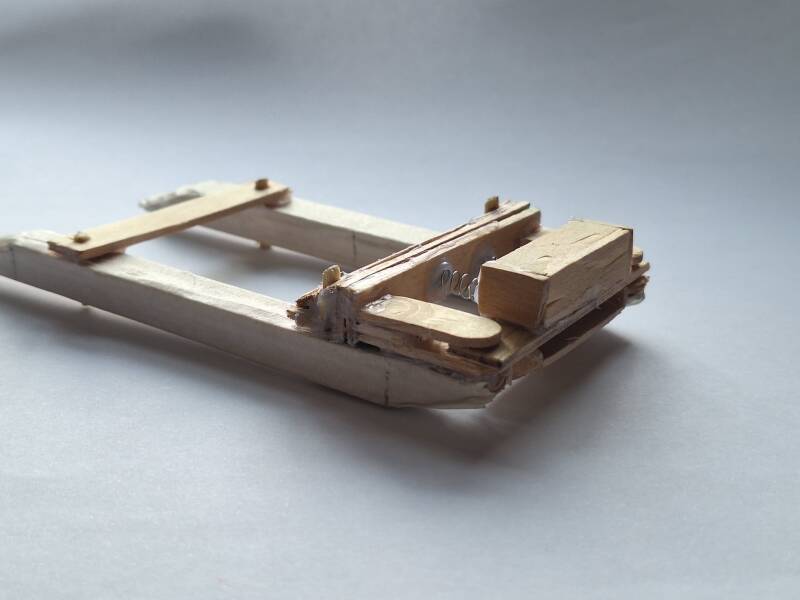
Demonstrating mechanisms and moving parts
These models focus purely on testing how a mechanism works. The goal is to evaluate functionality: does it work, and does anything need to be changed? Visual appearance is not important for this type of model.

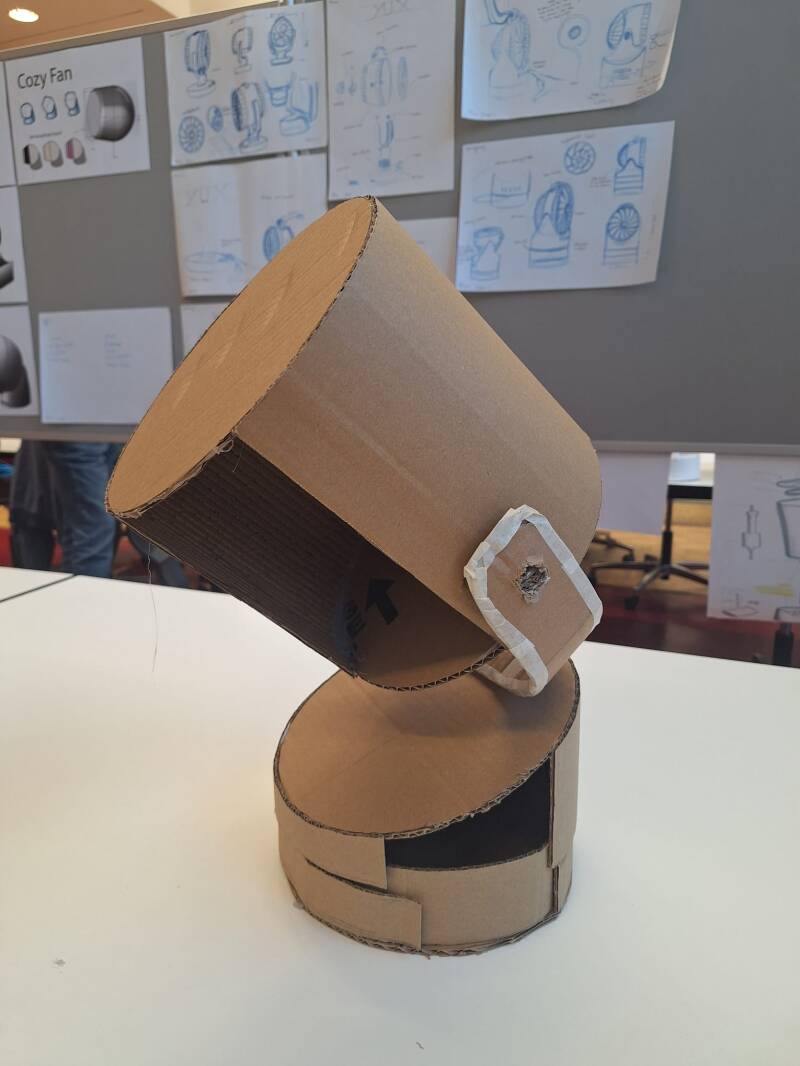
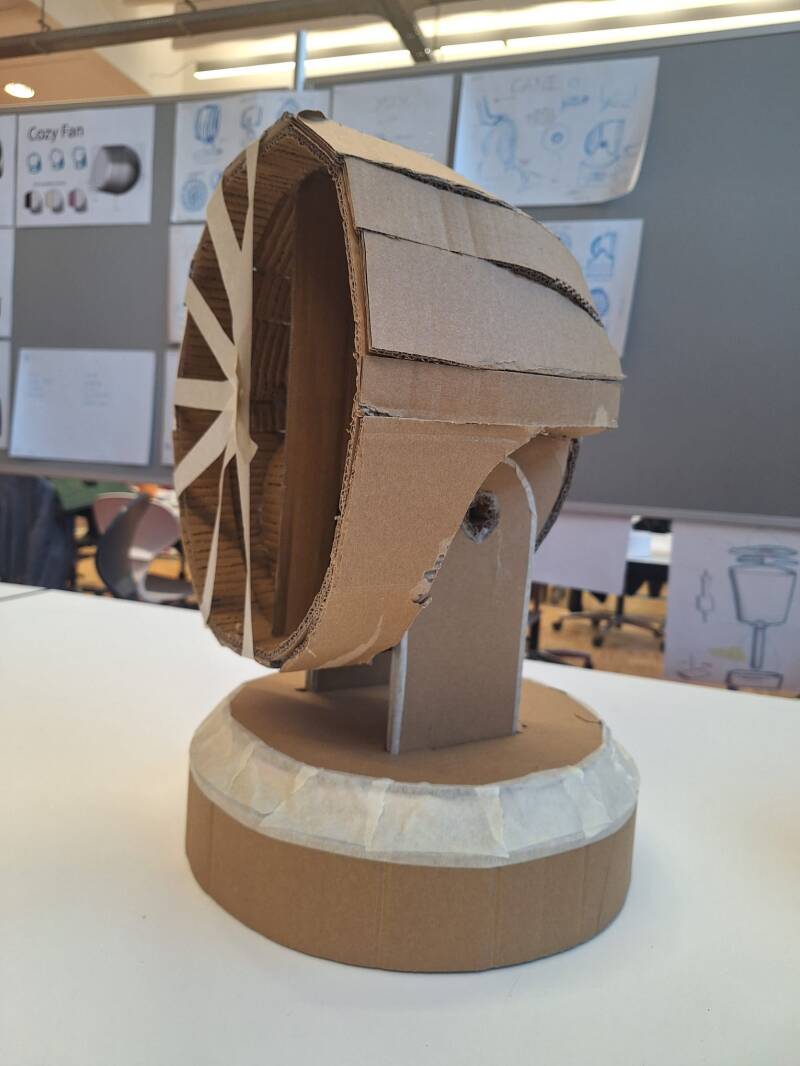
Checking proportions and scale
These models are used to quickly evaluate whether the overall size and proportions are correct. They help determine if the product feels balanced and if dimensions make sense in real life. This is especially useful early in the design process to prevent scaling issues later on.
Testing ergonomics
Ergonomic models are made to understand how a product feels during use. They allow testing grip, comfort, and usability. These models can also be evaluated by different users to gather feedback and improve the design.


High end models
High-end or scale models are made to look exactly like the final or existing product. These models include accurate materials, colors, and finishing, with every detail carefully reproduced. They are often used for presentations, showcases, or final validation.
Drawing
Presentation

To show what a product looks like in a neat professional manner.

To explain well how products are put together.
Maak jouw eigen website met JouwWeb